
Africa is at a crossroads, rich in resources and taking control of its energy future. The MSGBC Oil, Gas & Power 2025 conference in Dakar, Senegal, on Monday, Dec. 8, brought together governments, investors, energy companies, and multilateral organizations to explore West Africa’s next chapter in energy development.
The conference highlighted the region’s growing production: Senegal and Mauritania are now oil and gas producers, attracting international investment while defining their energy future on their own terms. A visit to Gorée Island, a UNESCO World Heritage Site, reinforced the symbolism of agency, with the Maison des Esclaves and the “Door of No Return” reflecting parallels between Africa’s history and today’s energy sovereignty debate.
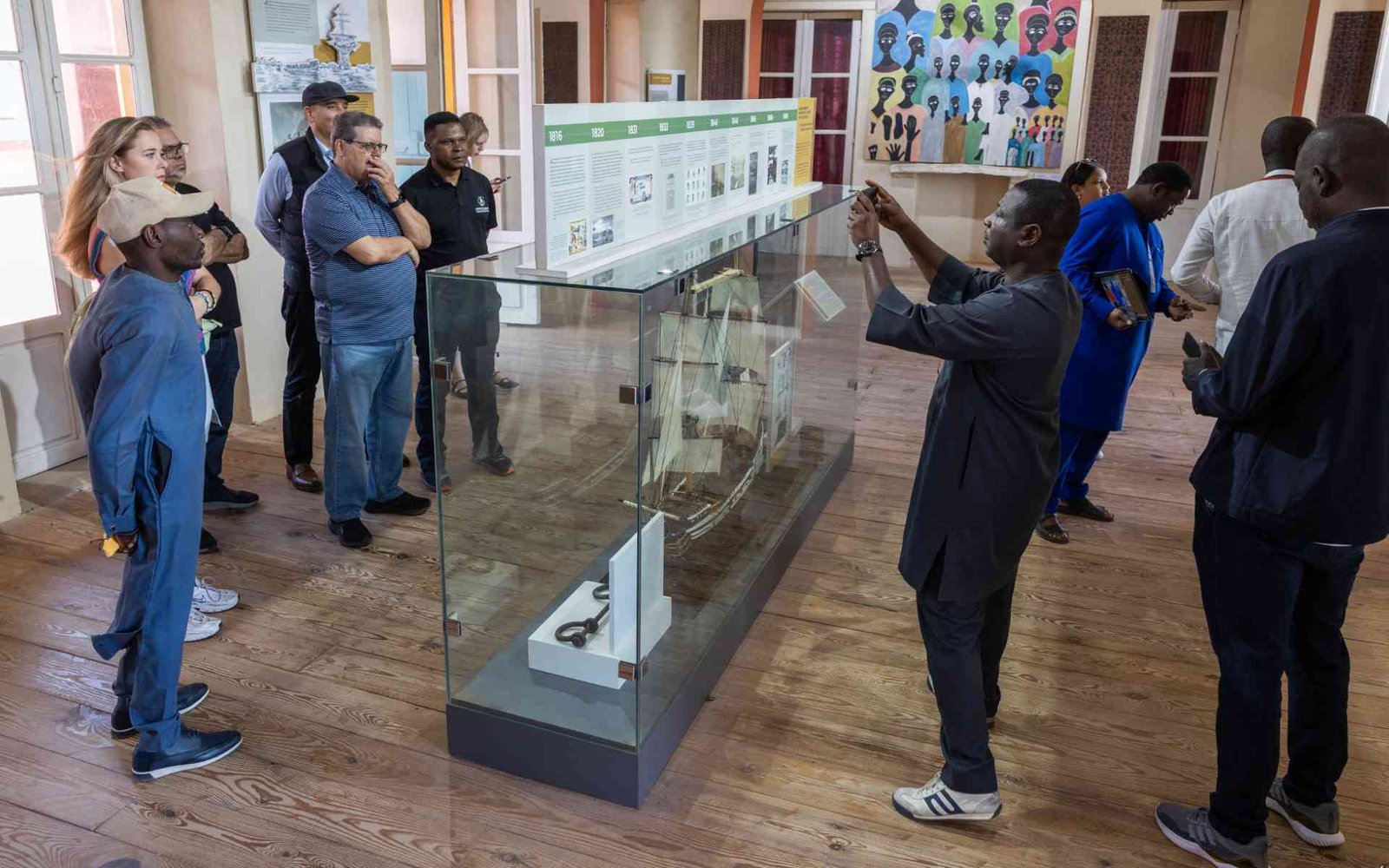
Delegates attend MSGBC Oil, Gas & Power 2025 in Dakar, Senegal, to discuss Africa’s energy future.
Driving Africa’s energy sovereignty and industrial growth
The African Energy Chamber (AEC) emphasizes that energy independence is both a moral and economic imperative. More than 600 million Africans lack electricity, while millions rely on biomass for cooking and heating. Oil and gas, particularly natural gas, provide scalable, reliable solutions to expand energy access and fund industrialization, education, healthcare, and infrastructure.
The message resonated throughout the conference, with the Gas Exporting Countries Forum (GECF) playing a central role. Secretary General Eng. Mohamed Hamel highlighted Senegal’s first oil and gas production from the Sangomar and Greater Tortue Ahmeyim (GTA) projects, praising the country for entering a new era of energy prosperity. Technical workshops, market outlook sessions, and high-level interventions demonstrated support for emerging producers while reinforcing investor confidence.
Regional projects and opportunities
The MSGBC region shows strong momentum. The GTA LNG project, a Senegal-Mauritania cross-border venture led by bp and Kosmos Energy, shipped its first cargo in April, while Senegal’s Sangomar oil field began producing in June. Exploration is accelerating: Guinea-Conakry launched a 22-block bid round, and The Gambia promoted offshore acreage with estimated reserves of 1.2 billion barrels. Gas-to-power plants, infrastructure projects, and regional integration initiatives are progressing, and Mauritania is positioning itself as a green hydrogen hub.
“The story of Gorée Island and Africa’s energy development are intertwined,” said NJ Ayuk, Executive Chairman of AEC. “Africa is proving it can develop oil and gas responsibly, attract investment, and drive sustainable growth while asserting sovereignty.” Projects like GTA, Sangomar, and future green hydrogen ventures, backed by organizations such as the GECF, demonstrate the continent’s path toward energy independence and industrialization. Gorée serves as a powerful reminder: Africa is choosing to power its people and secure its future.
![Fragments of homes and fishing tools are woven into the artwork, symbolizing resilience and memory. [photo credit: Greenpeace]](https://ecofriendlytip.com/wp-content/uploads/2025/12/Art-Activation-49-scaled.jpg)


![Jean Golong wears Filipiniana gown with climate justice message at Pride 2025 [photo credit: Noel Celis / Greenpeace]](https://ecofriendlytip.com/wp-content/uploads/2025/06/NC22-scaled.jpg)
![Greenpeace Philippines joins LoveLaban 2025 to push for climate justice [photo credit: Noel Celis / Greenpeace]](https://ecofriendlytip.com/wp-content/uploads/2025/06/NC015-scaled.jpg)




Leave a Reply