
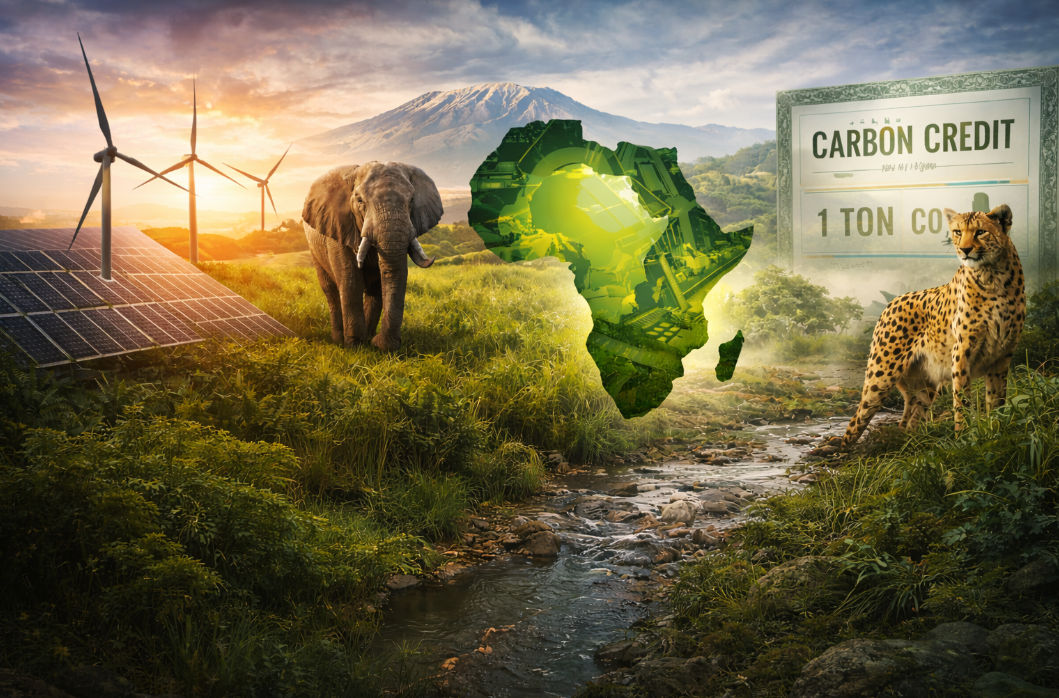
Climate change, ecosystem degradation, and biodiversity loss are no longer peripheral concerns—they are now critical considerations for investors assessing resilience and long-term returns in Africa.
Nature underpins key parts of the continent’s economy, from water security and agriculture to infrastructure and climate adaptation. Yet a significant financing gap persists. The United Nations Environment Programme (UNEP) estimates the global biodiversity finance shortfall could reach USD 942 billion annually by 2030. Current flows into nature total roughly USD 200 billion per year, with private capital contributing only USD 35 billion.
Despite this, private finance for nature is rapidly growing. Investments have surged from USD 9.4 billion to over USD 100 billion in recent years and could rise to USD 1.45 trillion by 2030 if current trends continue. Carbon markets, nature-based solutions, and climate resilience infrastructure are increasingly converging as linked investment themes, giving rise to new asset classes across carbon, biodiversity, and climate adaptation.
Natural capital as a cornerstone of Africa’s economy
The economic stakes are significant. In South Africa, for instance, healthy ecosystems contribute more than R275 billion (around USD 14 billion) annually—about 7% of GDP. Across Africa, natural capital represents 30%-50% of total wealth in many countries, surpassing the value of factories or infrastructure. Damage to ecosystems directly affects public finances and long-term economic stability.
Recent climate events, including flooding in Kruger National Park and water shortages in the Western Cape, underscore how ecosystem risks translate into infrastructure damage, economic losses, and fiscal pressure. These factors are now central financial and investment risks rather than side sustainability issues.
AGES 2026: translating nature into investment opportunities
Africa’s Green Economy Summit (AGES) 2026 will begin with the Climate, Carbon & Nature Financing Academy on 24 February in Cape Town, ahead of the main Summit from 25–27 February. The Academy will explore how climate, carbon, and nature can be transformed into bankable projects and investable asset classes. Key instruments include carbon markets, green, blue, and wildlife bonds, debt-for-nature swaps, and performance-linked financing.
“The escalating impact of climate change in Africa calls for the global community and private sector to recognise that a climate-resilient Africa is essential for global stability, prosperity, and shared security. Investing in Africa’s adaptation and mitigation projects is not an act of generosity; it is an investment in our common future,” said Harsen Nyambe, Director, Sustainable Environment and Blue Economy, African Union Commission.
By highlighting climate, carbon, and nature finance at the start of 2026, AGES reflects a market reality: these are no longer niche topics—they are central to Africa’s investment and economic future.
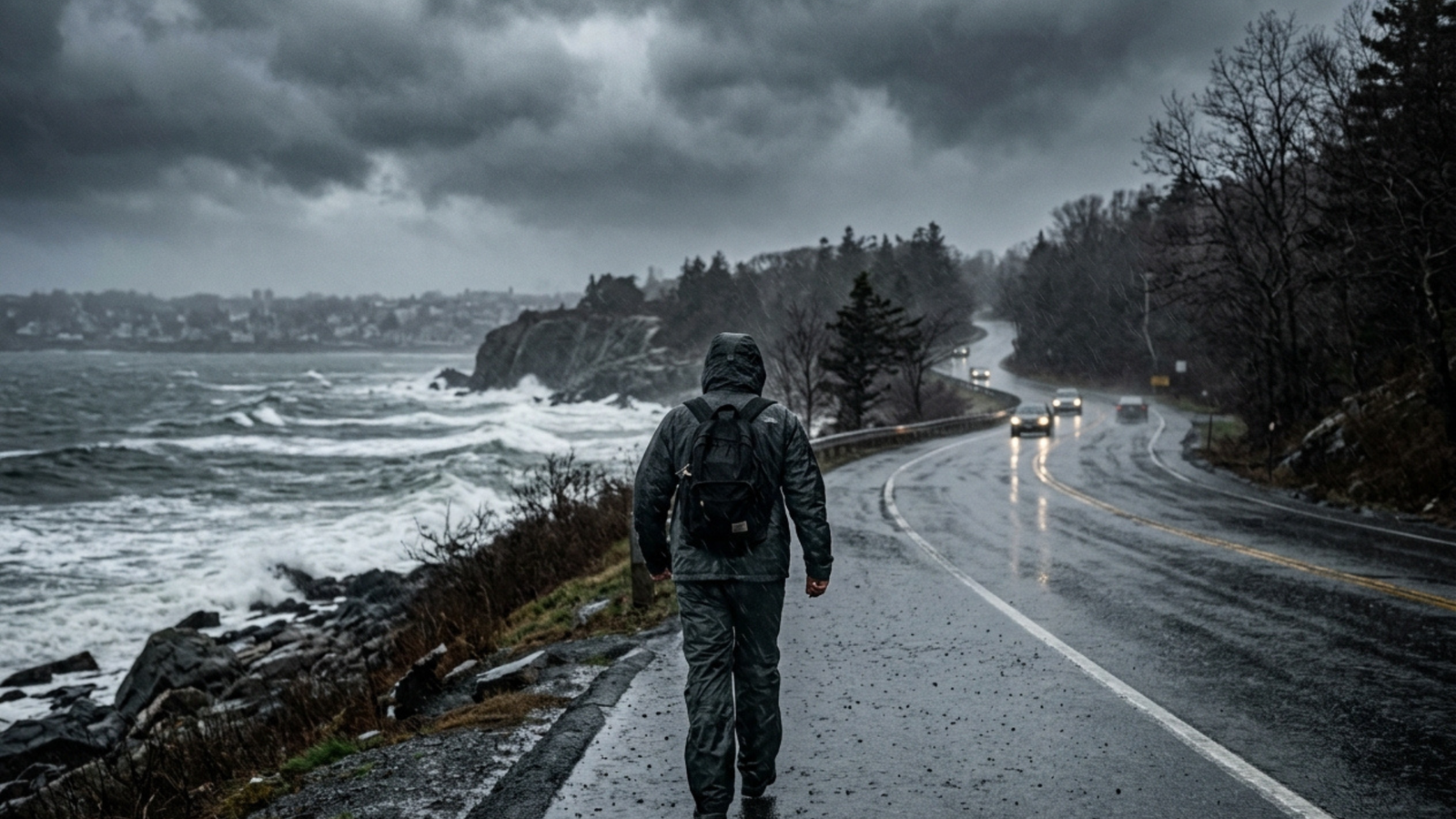
![Navotas residents call for stronger climate action and environmental protection. [photo credit: Jilson Tiu | Greenpeace]](https://ecofriendlytip.com/wp-content/uploads/2026/07/Untitled-design378.png)
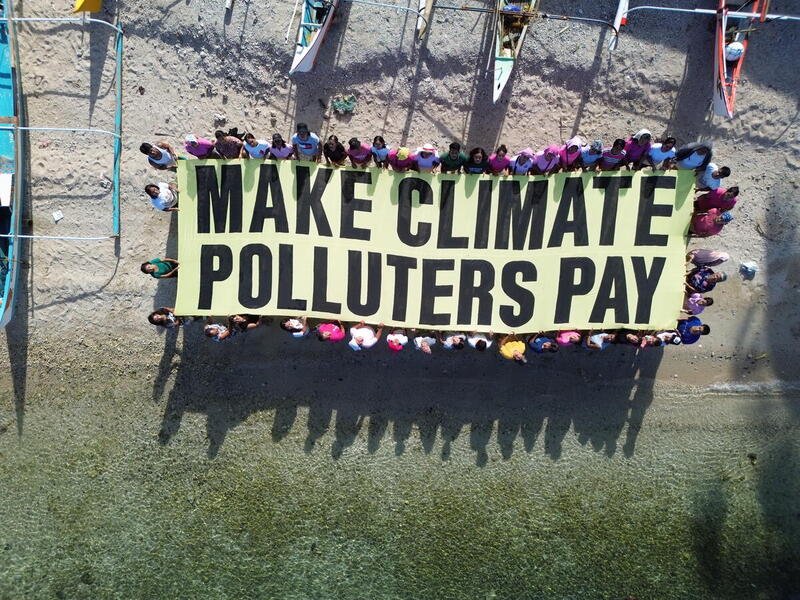
![Climate advocates urge polluters to bear the costs of climate-related loss and damage. [photo credit: Alecs Ongcal]](https://ecofriendlytip.com/wp-content/uploads/2026/07/Untitled-design350.png)
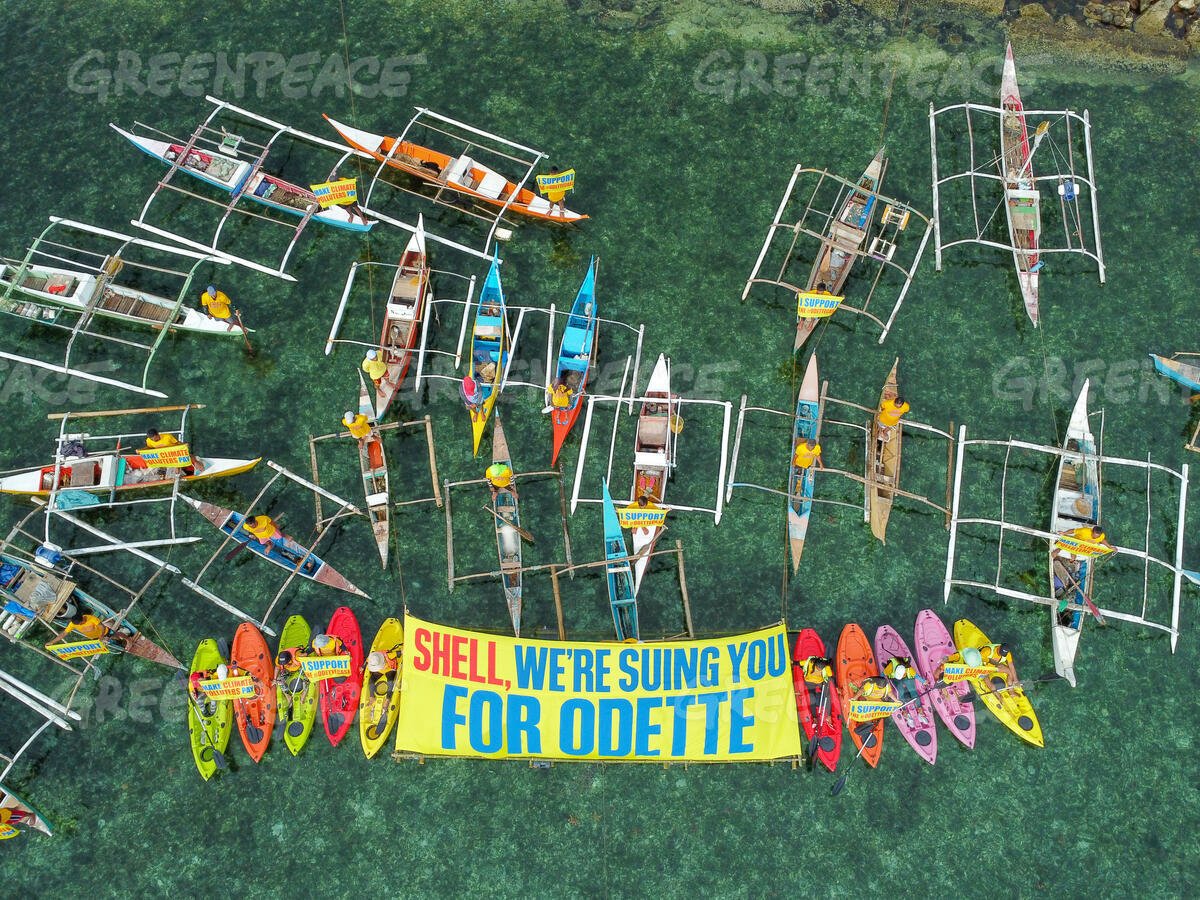
![Greenpeace calls for accountability as Filipinos rebuild after Uwan’s devastation. [photo credit: Jilson Tiu | Greenpeace]](https://ecofriendlytip.com/wp-content/uploads/2025/11/JTIU7946-scaled.jpg)

![Climate activists demand accountability from major fossil fuel companies. [photo credit: Ivan Joeseff Guiwanon | Greenpeace]](https://ecofriendlytip.com/wp-content/uploads/2025/10/Island-008-scaled.jpg)
![Flooded streets in the Philippines illustrate the urgent need for effective climate adaptation projects. [photo credit: Noel Celis | Greenpeace]](https://ecofriendlytip.com/wp-content/uploads/2025/09/GP0SU6A0V.jpg)
![Greenpeace banners calling for climate justice [photo credit: Noel Celis | Greenpeace]](https://ecofriendlytip.com/wp-content/uploads/2025/07/NC0012-scaled.jpg)
Leave a Reply