
![Greenpeace activists have called for accountability in flood control corruption projects. [photo credit: John Dimain | Greenpeace]](https://ecofriendlytip.com/wp-content/uploads/2025/09/John-Dimain_Greenpeace-2025-3-scaled.jpg)
Greenpeace activists have called for accountability in flood control corruption projects. [photo credit: John Dimain | Greenpeace]
Super Typhoon Nando (Ragasa), one of the strongest storms of the year, made landfall in the Philippines on Monday, unleashing massive flooding and deadly landslides across northern Luzon. In Benguet’s Tuba town, several people were injured while dozens of barangays were inundated. The provinces of Ilocos and Cagayan also sustained heavy damage, even as the country braces for another cyclone expected to enter within 24 hours.
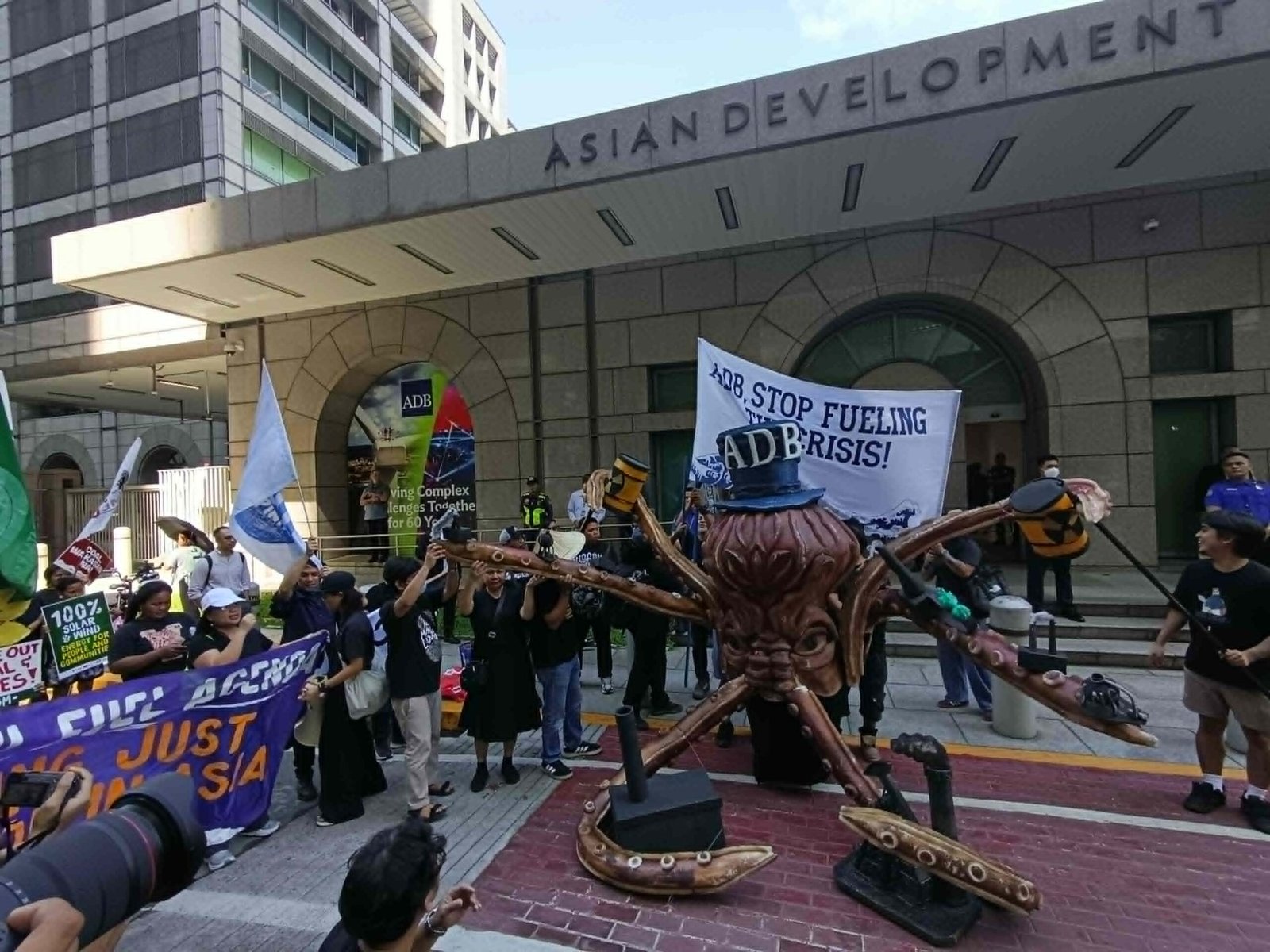
The storm struck less than a day after nationwide protests on September 21, where demonstrators denounced corruption in government flood control projects. Environmental groups said the scandal has further endangered communities facing worsening storms and floods.
Greenpeace calls for accountability
Greenpeace Philippines pointed to government negligence and corruption as key factors amplifying the storm’s devastation. Climate campaigner Jefferson Chua said destroyed homes, livelihoods, and climate adaptation structures show how vulnerable communities were left defenseless.
“Nando intensified rapidly, shortening the time for preparedness in areas directly in its path,” Chua said. “These communities already contend with constant climate impacts. Revelations of corruption in climate projects show how short-changed they’ve been, with little chance of surviving escalating climate impacts while officials siphon off public money.”
Chua added that La Niña conditions are setting in, raising the risk of heavier rains and more destructive storms in the months ahead. He said Filipinos now face not only worsening climate threats but also betrayal from politicians and contractors.
Push for climate justice legislation
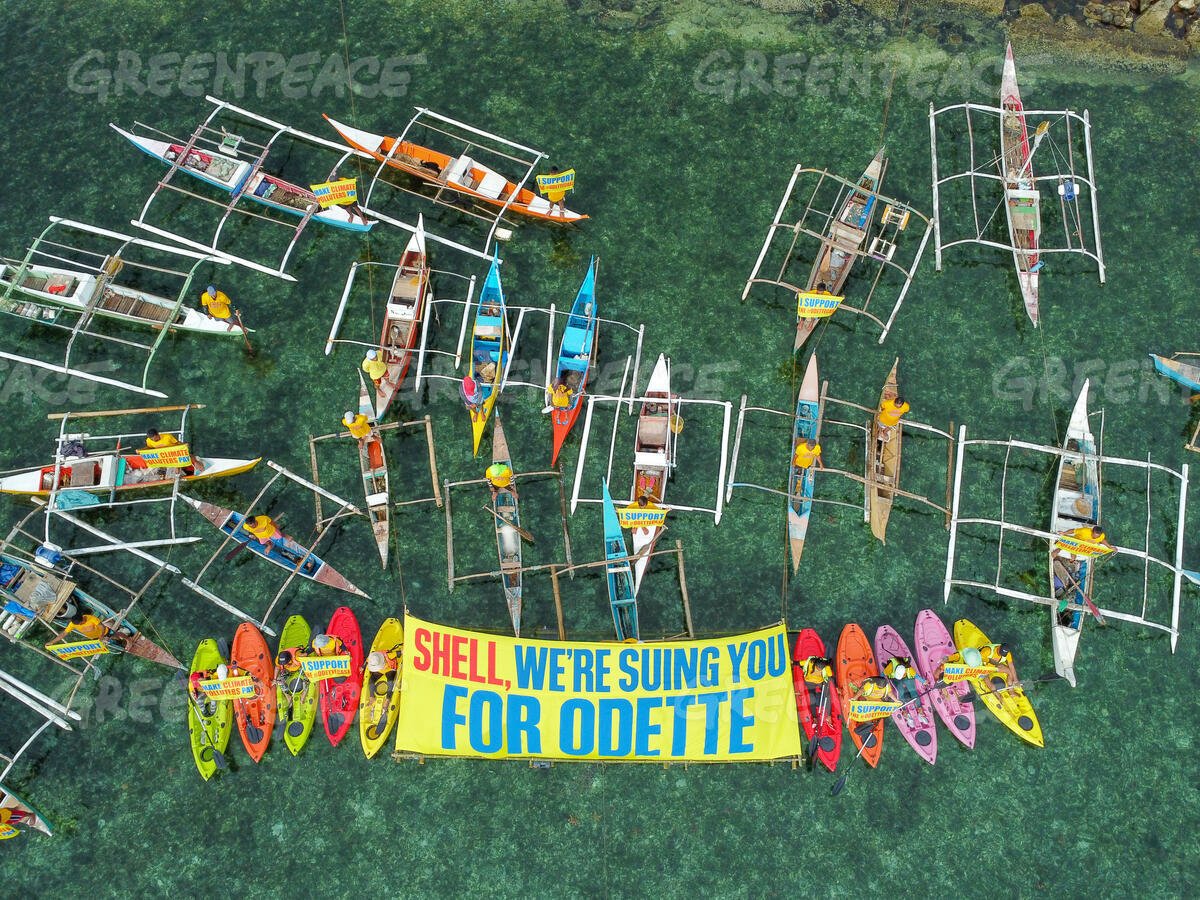
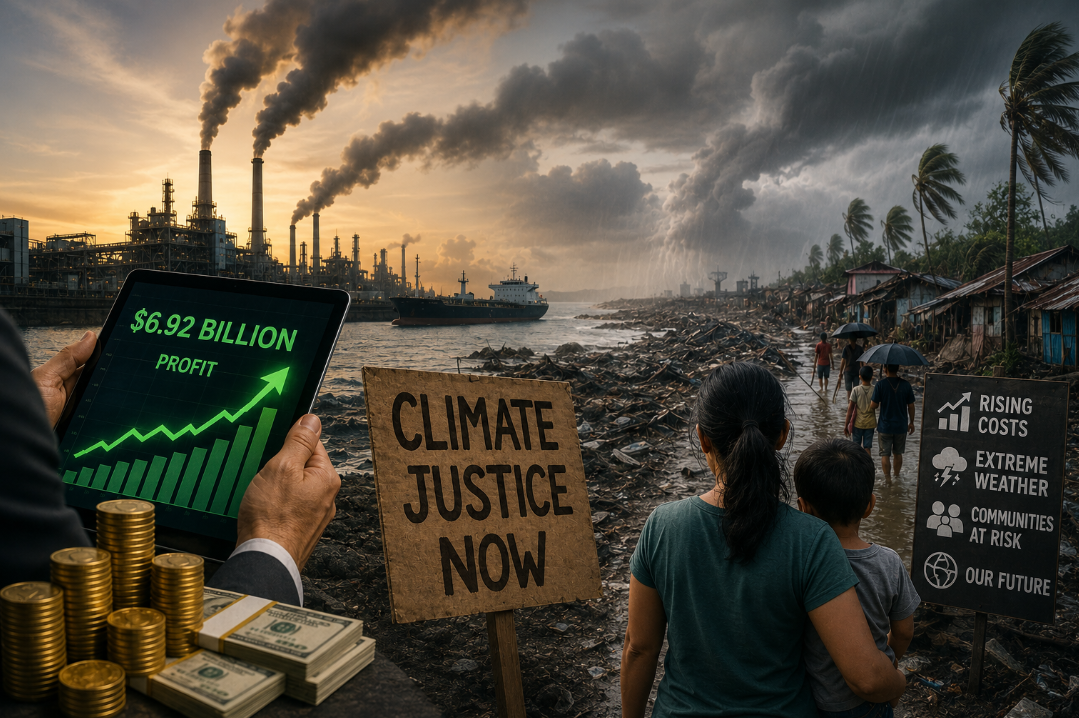
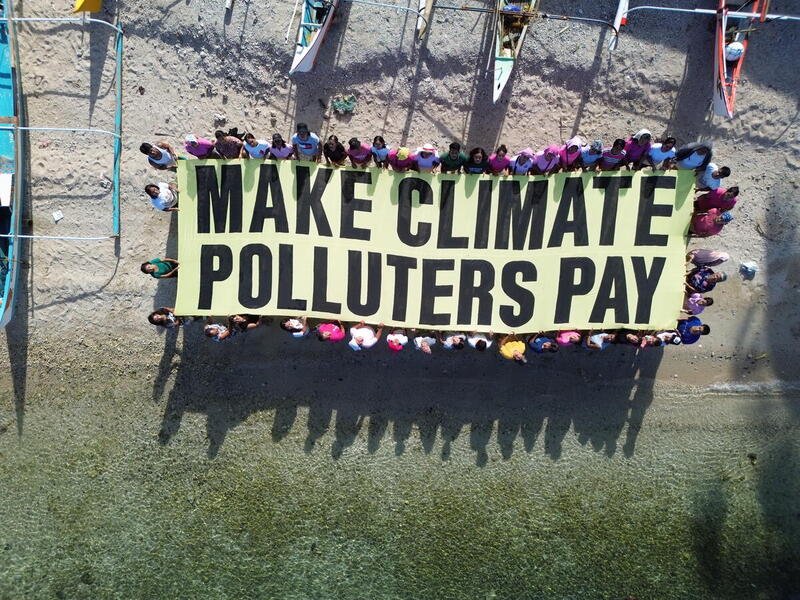
Greenpeace urged President Ferdinand Marcos Jr. to pursue accountability against corrupt officials, contractors, and fossil fuel corporations. The group is also pressing for swift passage of the Climate Accountability (CLIMA) Bill, which would set mechanisms for climate justice, hold polluters accountable, and enforce due diligence standards for corporations contributing to the climate crisis.
“President Marcos must listen to demands for justice,” Chua said. “He must go after those in power and the oil and gas companies that profit while communities suffer.”
![The landslide draws parallels to the Payatas tragedy 25 years ago. [photo credit: The Freeman Facebook]](https://ecofriendlytip.com/wp-content/uploads/2026/01/612956653_1222808069988718_2520356168325713841_n.jpg)
![Greenpeace calls for accountability as Filipinos rebuild after Uwan’s devastation. [photo credit: Jilson Tiu | Greenpeace]](https://ecofriendlytip.com/wp-content/uploads/2025/11/JTIU7946-scaled.jpg)


Leave a Reply