
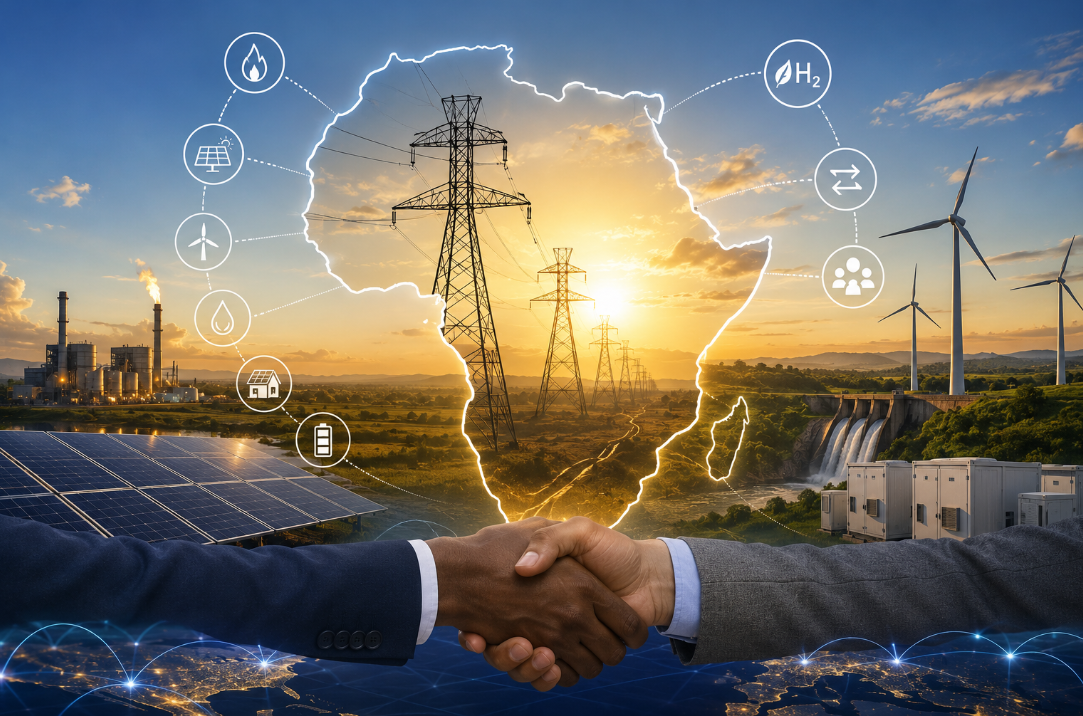
Uganda just made energy history. And if investors were paying attention, they now know that Africa’s power sector is open for business in ways it never has been before.
In a music landscape flooded with label-engineered features and trend-chasing collabs, “One of a Kind” does something genuinely rare: it earns its title.
More than 600 million people in sub-Saharan Africa still live without electricity. That number is staggering on its own — but what makes it genuinely alarming is how long it has resisted every attempt to move it. Decades of public financing, international aid, and government-led infrastructure programs have made a dent, but not nearly enough of one. Now, something is shifting. Uganda’s Amari Power Transmission Project — the first privately financed independent transmission project on the continent to reach financial close — has just signaled that a new era of energy investment in Africa is not coming. It is already here.
The Milestone That Unlocks the Floodgates
For years, grid infrastructure in Africa was considered too risky, too complex, and too politically entangled for private capital to touch. Generation projects attracted developers. Transmission did not. The Amari Power Transmission Project breaks that assumption wide open — and the significance of that cannot be overstated.
When a first-of-its-kind deal reaches financial close, it does not just build one project. It writes the blueprint for the next hundred. It proves the risk is manageable, the returns are real, and the regulatory frameworks can hold. For investors who have been watching Africa’s power sector from a cautious distance, Uganda’s milestone is the proof of concept they have been waiting for. For the continent, it is the beginning of what could be the most consequential infrastructure build-out of the 21st century.
South Africa is moving in the same direction, pushing ahead with wholesale electricity market reforms and long-term transmission expansion plans that are systematically opening the door to greater private sector participation. Taken together, these developments point to a continent-wide rethink of how power infrastructure gets built and who gets to build it — a shift from state-dependent models to bankable, investor-ready frameworks that can scale.
All-In: Why Africa’s Multi-Resource Strategy Is Its Smartest Bet Yet
The transmission breakthrough matters, but it is only one piece of a much larger picture. African governments are no longer waiting for a single silver-bullet solution to the energy access crisis. Instead, they are pursuing a deliberate, all-in strategy — leveraging natural gas, utility-scale solar, wind, hydropower, mini-grids, off-grid systems, and emerging technologies like green hydrogen simultaneously. The goal is clear: end energy poverty by 2030.
Natural gas remains a critical anchor, providing the flexible, dispatchable generation that intermittent renewables cannot yet fully replace. The African Development Bank has put $20 million on the table to de-risk green hydrogen pilot projects, betting on the long game. Regional power pools are advancing cross-border electricity trade through harmonized regulatory frameworks that would have seemed aspirational just five years ago. And Mission 300 — the landmark electrification initiative led by the World Bank and the AfDB — has already connected more than 50 million people across the continent.
All of these threads are set to converge at African Energy Week (AEW) 2026, where the newly launched Power Africa Today conference will bring together utility executives, policymakers, investors, developers, and technology providers to turn momentum into bankable projects. The platform is explicitly designed to do what the sector has historically struggled with: align generation expansion, transmission build-out, financing innovation, and regional market integration into system-wide solutions that actually close the gap.
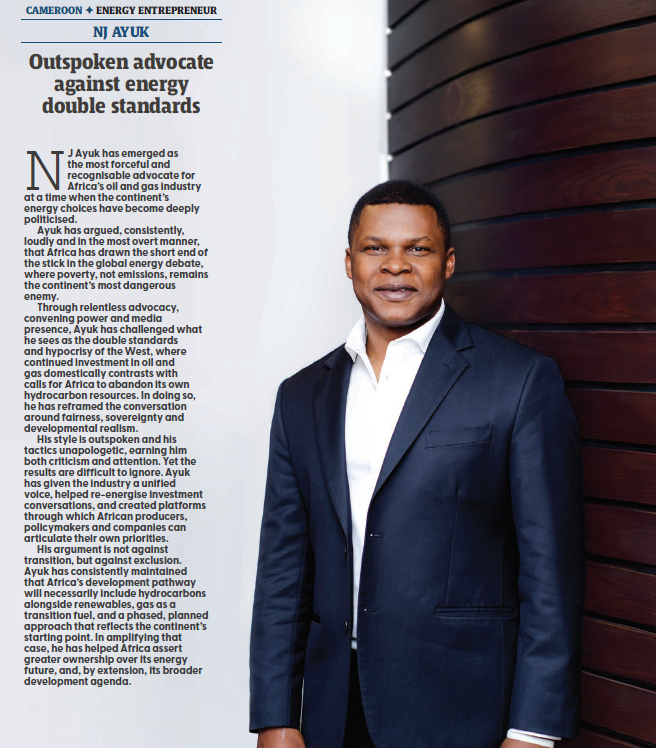
“Africa’s pathway to ending energy poverty will require every available resource working together,” said NJ Ayuk, Executive Chairman of the African Energy Chamber. “Natural gas, renewables, hydropower and existing power assets including coal and oil each have a role to play in delivering reliable electricity, supporting industrialization and improving quality of life across the continent.”
The math is brutal. Six hundred million people. Less than a decade to 2030. But for the first time, the financing models, the regulatory frameworks, and the investor appetite are beginning to align. Uganda’s Amari project did not just build a transmission line. It built the case that Africa’s energy future is fundable — and that changes everything.



Leave a Reply