
Africa is embracing its natural gas reserves as a critical tool for economic expansion and energy self-sufficiency. Countries that once relied primarily on exporting gas are now building local markets, investing in infrastructure, and integrating natural gas into power and industrial sectors. This approach positions gas as both a transitional energy source and a platform for long-term prosperity.
The African Energy Chamber’s 2026 Outlook Report highlights rising domestic demand, fueled by electricity needs, industrial growth, and urbanization. By prioritizing local consumption alongside exports, African nations aim to maximize the value of their fossil fuel reserves and reduce dependence on imported energy.
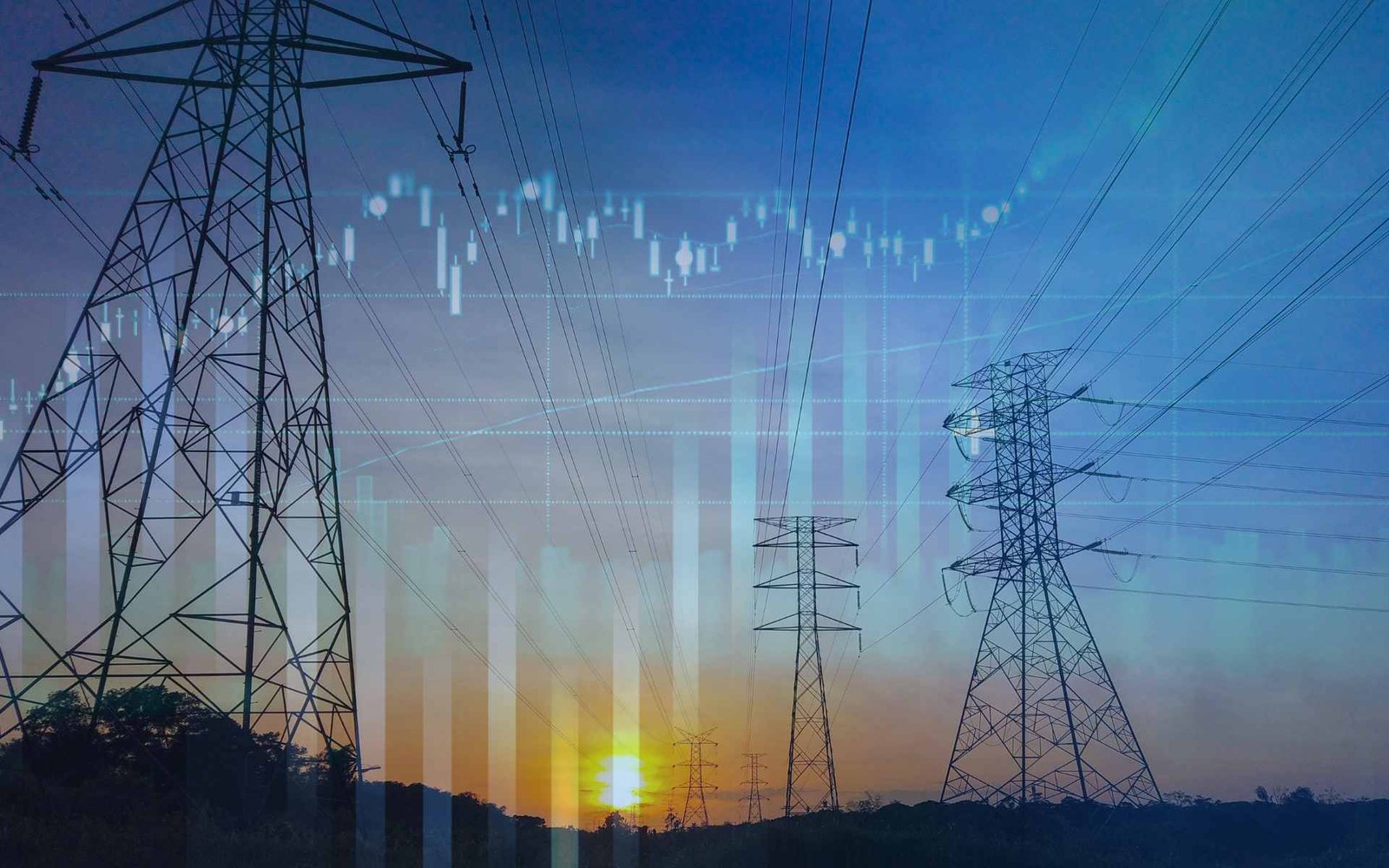
Angola LNG converts associated gas into exportable LNG while reducing emissions.
Angola’s approach: balancing exports and local use
Angola has long been a gas exporter, with the Angola LNG plant transforming associated gas into liquefied natural gas and cutting upstream emissions. Recent developments, such as the Sanha Lean Gas project, are boosting supply to LNG facilities, while non-associated gas in the Lower Congo and Kwanza basins promises additional volumes for domestic and export markets.
Onshore and offshore infrastructure, including pipelines connecting Cameia-Golfinho fields to coastal points, is under consideration to meet growing local demand. Domestic applications include the 750 MW Soyo CCGT plant, which stabilizes power amid hydropower variability, and planned ammonia and methanol plants expected by 2030, driving industrial gas consumption.
Angola’s integrated strategy exemplifies how LNG exports and domestic utilization can reinforce one another, stimulating job creation, industrial development, and energy security.
Mauritania, Senegal, and continental integration
Mauritania and Senegal began exporting LNG in 2025 via the Greater Tortue Ahmeyim project, a cross-border deepwater development. This venture created thousands of local jobs, engaged hundreds of domestic companies, and supplied domestic gas to power plants, including Senegal’s 366 MW Cap de Biches facility.
Across the continent, natural gas already provides around 40% of electricity, supporting energy transitions and grid stability. Regional power pools, including SAPP, WAPP, EAPP, CAPP, and NAPP, enable cross-border electricity sharing, while the African Single Electricity Market aims to unify these networks by 2040. Gas-to-power initiatives in Nigeria, South Africa, Ghana, and Tanzania further demonstrate its role as a flexible bridge fuel, complementing growing renewable capacity.
The 2026 Outlook Report emphasizes that natural gas is more than a commodity—it is a catalyst for industrialization, job creation, and energy independence. Strategic investments in LNG and domestic consumption can ensure that Africa’s energy transition is inclusive, reliable, and sustainable.
![The landslide draws parallels to the Payatas tragedy 25 years ago. [photo credit: The Freeman Facebook]](https://ecofriendlytip.com/wp-content/uploads/2026/01/612956653_1222808069988718_2520356168325713841_n.jpg)
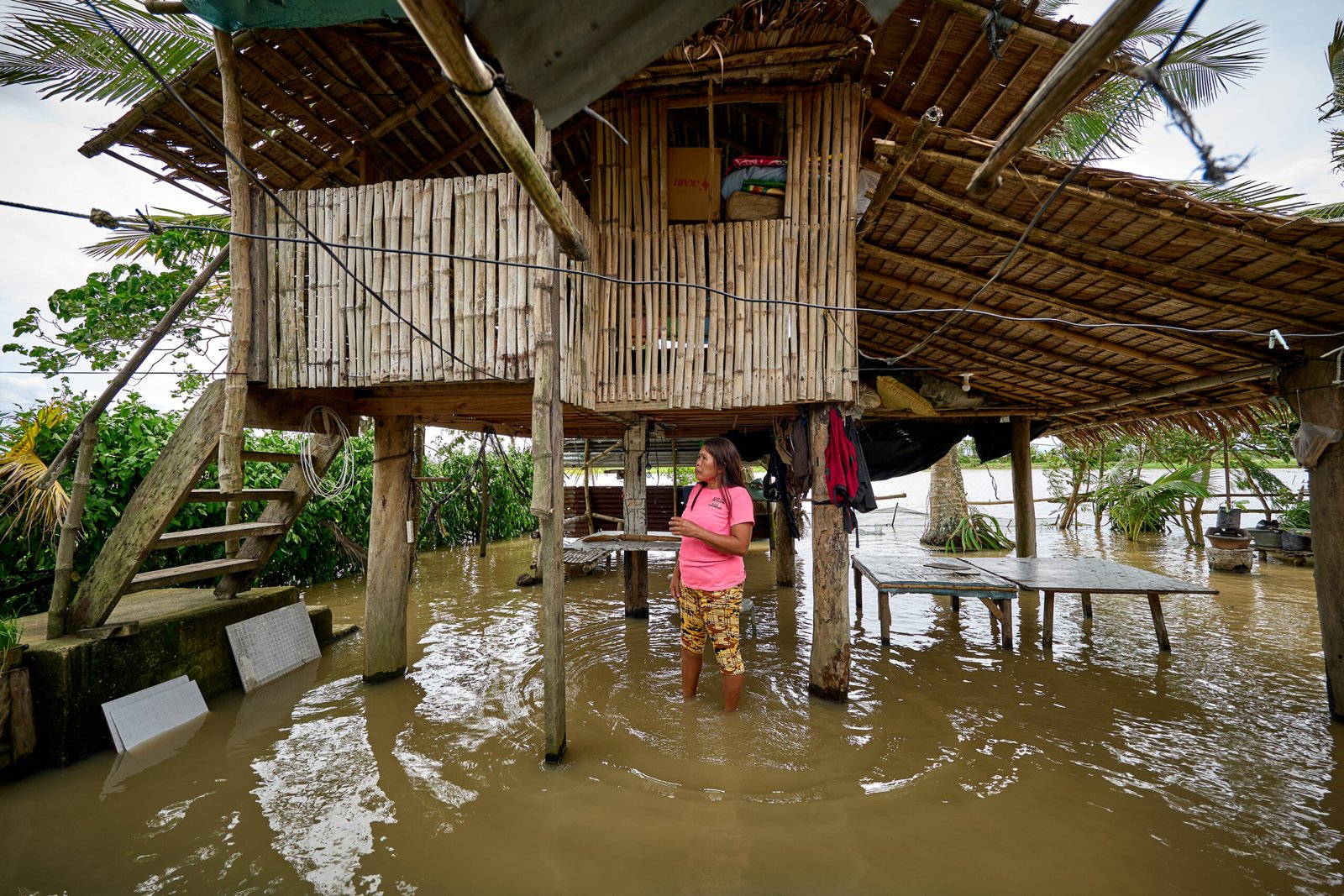
![Greenpeace calls for accountability as Filipinos rebuild after Uwan’s devastation. [photo credit: Jilson Tiu | Greenpeace]](https://ecofriendlytip.com/wp-content/uploads/2025/11/JTIU7946-scaled.jpg)


![climate change representation image [Photo by Markus Spiske on Unsplash ]](https://ecofriendlytip.com/wp-content/uploads/2025/05/markus-spiske-RN14PbITnnM-unsplash-scaled.jpg)
![Typhoon survivors from Salcedo, Eastern Samar, delivered a letter to the SEC office in Makati, urging stricter climate accountability for corporations. Marking 11 years since Haiyan, they brought 11 ruined items as symbols of their loss. [Photo by Jilson Tiu | Greenpeace]](https://ecofriendlytip.com/wp-content/uploads/2025/02/GP0SU38S5_Medium-res-1200px.jpg)


Leave a Reply